




The Problem With Traditional Personas
Ryan sent me this post recently, and it perfectly captures why demographic personas fail at content creation.

Traditional audience personas look something like this: "Sarah, 35, lives in Sydney, works in marketing, earns $85k." That's a media buying brief, not a content strategy. It tells you where to find Sarah, but not what to say to her.
Consider this: Prince Charles and Ozzy Osbourne share almost identical demographics: British, male, born in 1948, wealthy, married twice, live in large estates. Yet no one would argue they need the same messaging.

Demographics tell you who someone is. They don't tell you what stories to tell, or who your audience aspires to become.
The Transformation Ladder
Purchase decisions move through four levels of transformation:
- Consumer Problem, the challenge they face
- Functional Benefit, what the product does
- Emotional Benefit, how it makes them feel
- Identity Benefit, who they become
Most brands get stuck at levels one and two. They talk about features, specifications, and surface-level problems. Winning brands climb to the identity level, they sell transformation, not products.
Case Study: Three Brands, One Product, Black Tights
Three activewear brands selling the same product demonstrate vastly different approaches to positioning:
Functional Benefit: Stax
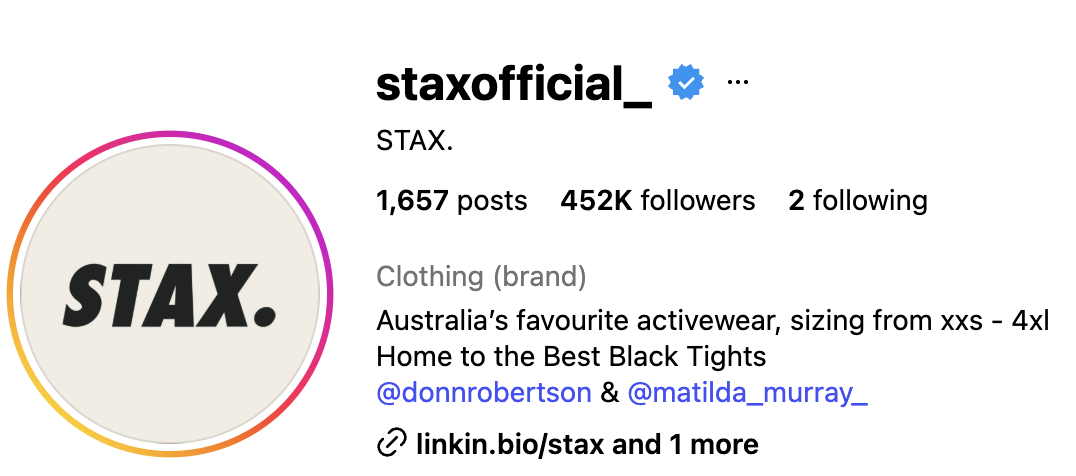
Stax leads with functional messaging: product features, fabric quality, best-in-class positioning. This answers what the product does.
Emotional Benefit: Crop Shop Boutique
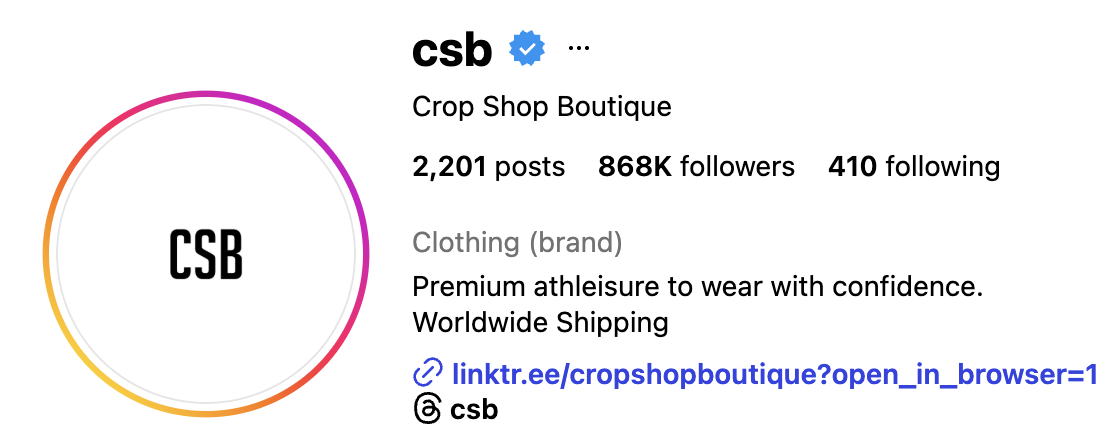
Crop Shop Boutique moves up to the emotional level: confidence, feeling good, moving freely. This answers how the product makes you feel.
Identity Benefit: LSKD
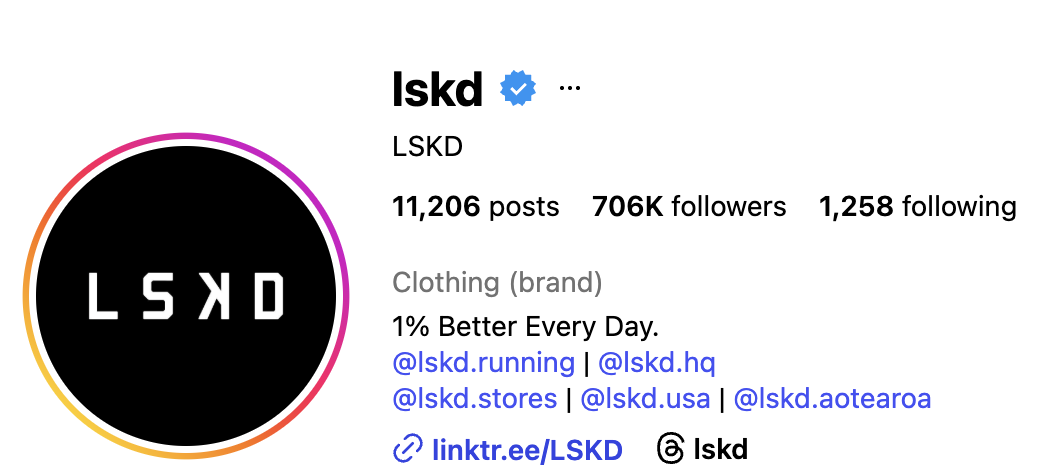
LSKD reaches the identity level. It's not about tights at all. It's about becoming the kind of person who shows up for themselves, who commits to continuous improvement. This answers who you become.
The Black Tights Transformation Ladder
- Problem: Self-consciousness, constant adjusting during workouts
- Functional: Squat-proof fabric, stays in place, moisture-wicking
- Emotional: Confidence to move freely without self-consciousness
- Identity: A person who shows up for themselves, 1% better every day
Five Questions to Build Better Personas
Instead of demographics, build your personas around these five questions:
- Consumer Problem: What specific symptoms are they experiencing right now? Not demographics, but real, felt problems.
- Root Cause: What's the deeper issue beneath the surface symptoms? Dig past the obvious.
- Mistakes: What failed solutions have they already tried? What didn't work and why?
- Emotional Benefit: How do they want to feel? Not what features they want, but what emotional state are they seeking?
- Identity Benefit: Who do they want to become? This is the most powerful question. It drives the stories that actually convert.
Winners in storytelling focus on identity transformation, not demographic targeting. Build your personas around who your audience wants to become, and the content strategy writes itself.