




The Five Strategic Lenses
Lens 1: Behind-the-Scenes Authority
Intent: Build trust through insider transparency
This approach reveals processes, decision-making, and industry realities. For example, activewear brand Tala showcases design details and meticulous product development for each seasonal collection.

Story Structure:
- Hook: Promises insider perspective
- Build: Reveals process or industry reality
- Climax: Shifts understanding of how things work
- Resolution: Establishes authority and provides actionable guidance
Lens 2: Problem Evolution Stories
Intent: Move audiences from surface symptoms to deeper understanding
Rather than accepting surface-level problems, this lens guides audiences toward understanding root causes and why existing solutions fail. For example, Voomie Supplements was created by someone addressing ADHD management beyond medication options.

Story Structure:
- Hook: Acknowledges surface-level problem
- Build: Guides toward underlying root cause
- Climax: Reveals actual problem
- Resolution: Reframes approach or understanding
Lens 3: Mistake Call-Out Stories
Intent: Create urgency by highlighting costly errors
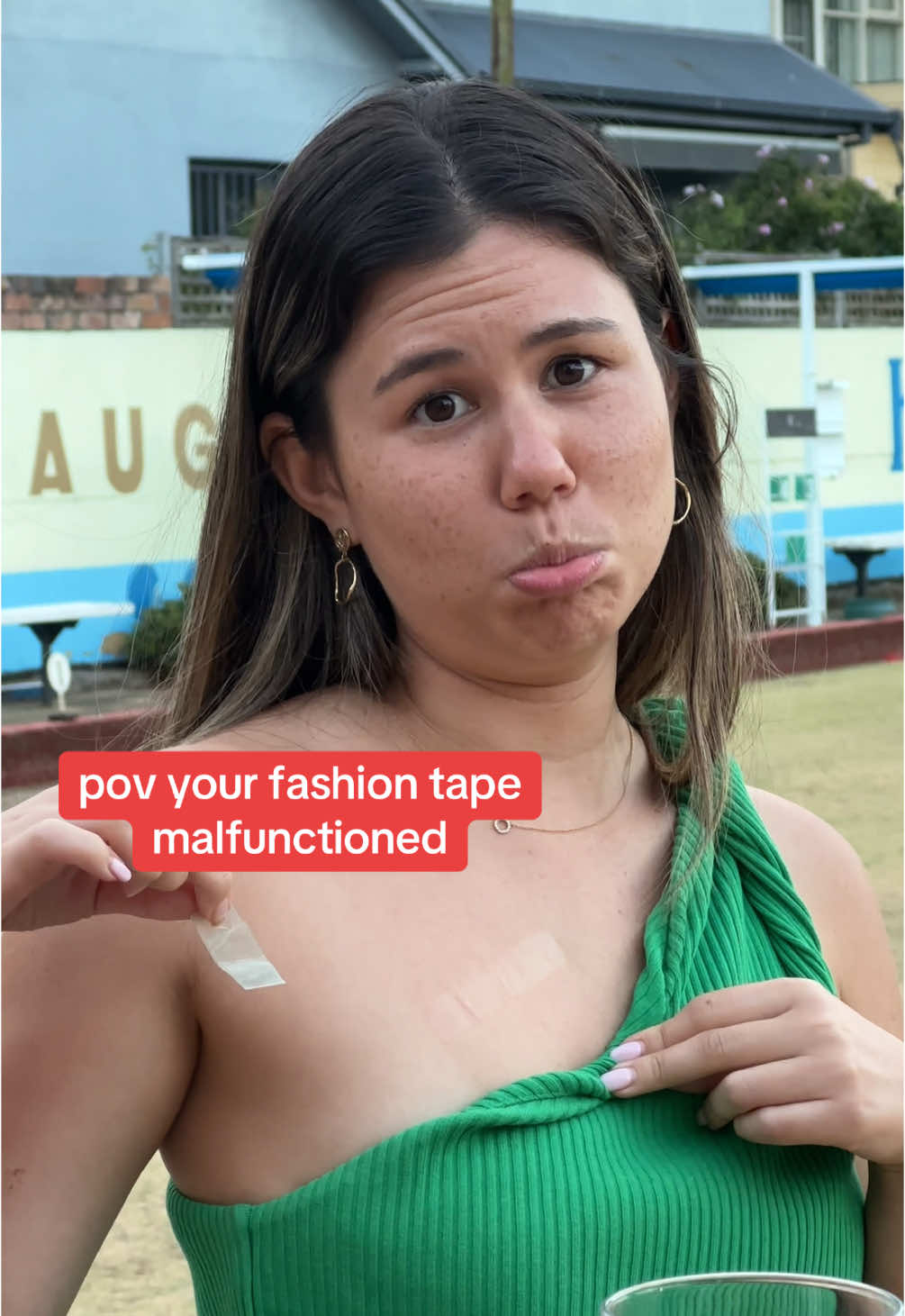
This lens identifies specific mistakes audiences likely make and demonstrates their consequences. For example, Clutch Glue is an Australian product addressing fashion tape limitations.
Story Structure:
- Hook: Identifies specific mistake
- Build: Demonstrates cost and consequences
- Climax: Reveals better alternatives
- Resolution: Provides clear corrective direction
Lens 4: Expertise & Insider Knowledge
Intent: Build trust through experience-based insights
This approach shares professional knowledge and experience-earned insights. Mingle Seasoning demonstrates this by revealing hidden ingredients in common supermarket seasonings.

Story Structure:
- Hook: Shares unique insider insight
- Build: Explains why conventional approaches miss the mark
- Climax: Provides expert solution
- Resolution: Shows audience application
Lens 5: Community Wisdom Stories
Intent: Build belonging through shared experiences
This lens demonstrates that audiences aren't alone in their journey. For example, Kic App, an Australian health platform, invites users to share their fitness stories and experiences.

Story Structure:
- Hook: References collective experience
- Build: Develops shared journey narrative
- Climax: Reveals community-gained wisdom
- Resolution: Invites audience participation
Recommended Content Distribution
- 30% Problem Evolution Stories
- 25% Authority/Expertise Sharing
- 20% Mistake Call-Outs
- 15% Behind-the-Scenes Authority
- 10% Community Wisdom Stories
Note: Founders building publicly should increase behind-the-scenes content, and brands should dial up community stories as more examples accumulate.
Action Plan
- Audit recent content for middle-of-funnel balance
- Assess whether content builds trust or chases virality
- Identify underutilised lenses
- Create three new posts using less-familiar approaches
Remember: 30% of your content should be middle of funnel. This is where attention turns into trust, and trust is what drives sales.
This is part three of a four-part content funnel series. Part four will address bottom-of-funnel conversion strategies without sacrificing the relationship built through middle-funnel content.