




Last week was all about middle of funnel, building the trust and substance that separates you from being just another pretty feed.
This week, we're tackling the content type that makes most brands break out in hives: asking people to actually buy.
Thousands of followers. Decent engagement. Comments full of "I love this!" and "This is so helpful!"
And then you check your sales dashboard and... crickets.
All that engagement builds brand awareness. But when leadership asks what social is actually driving? You need more than vanity metrics. You need to show how content moves people to buy.
Most brands know this, which is why they panic and do one of two things: completely avoid selling (because they don't want to "ruin the vibe"), or go full car salesman with aggressive discount codes and countdown timers everywhere.
We can do better than that.
Converting Attention Into Sales
You've built this relationship as a community. People like your content. You don't want to ruin it by "being too salesy."
You think you're being pushy. What you're actually doing is making it harder for people who want to buy from you. More people than you think actually do.
When someone trusts your brand, consumes your content, and sees themselves in your message, they're not thinking "I hope they never try to sell me anything." They're thinking, "Okay, so where do I buy this?"
And if you never make it clear, they'll buy from a competitor who does.
The difference between being salesy and being strategic? Bottom of funnel content confirms a decision someone's already leaning toward. It doesn't manufacture desire that isn't there.
You're not convincing. You're clarifying. You're not persuading. You're making it easy for someone who already wants your product to take the next step.
Five lenses make this happen without losing the community you've built.
The Five Bottom of Funnel Lenses
Lens 1: Transformation Journey Stories
Strategic Intent: Provide social proof through specific transformation
This is your most powerful conversion tool. Show the journey of a real person who started where your audience is now and got the result they want. Not generic testimonials, detailed transformation stories.
Story Structure:
- Hook: Opens with a specific result or transformation achieved by someone like themselves
- Build: Details the starting point and challenges that the audience can relate to
- Climax: Reveal the turning point or solution that created the transformation
- Resolution: Provides a clear pathway for the audience to achieve similar results
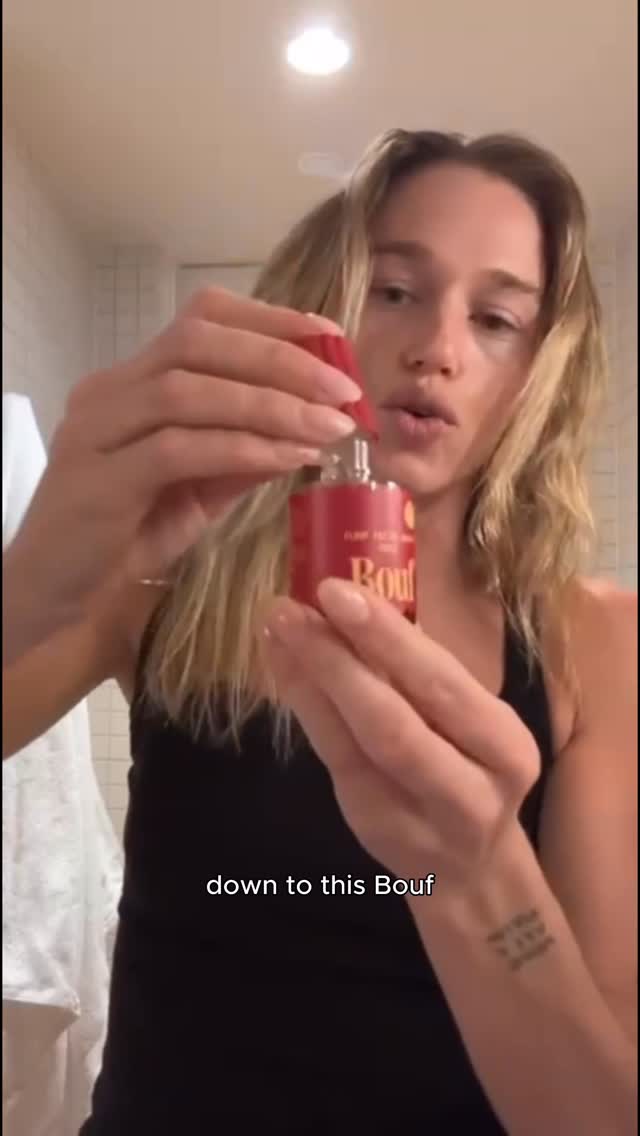
Bouf sold over 20K units of their hair growth tonic in 3 weeks by having strong transformational stories ready to go at launch.
Why this works: When someone sees themselves in the "before" and wants the "after," conversion becomes inevitable. They're not being sold to; they're seeing evidence of what your product or service delivers. The specificity matters in a sea of empty claims.
Lens 2: Process Reveal Stories
Strategic Intent: Build confidence in how
Pull back the curtain on exactly how you create the transformation the potential purchaser wants. Show your process, your methodology, your system. When people understand how something works, they trust it more.
Story Structure:
- Hook: Promises to show the exact process or methodology used
- Build: Breaks down the step-by-step approach or how it works
- Climax: Demonstrates how the process creates a breakthrough or desired outcome
- Resolution: Invites the audience to experience or engage with the process

A physical device that connects to an app on your phone and turns your phone into a "brick". Removes distractions or makes it easy to just turn off screen time limits by using a physical device.
Why this works: People hesitate to buy when they can't see what they're actually getting. Mystery breeds doubt. When you reveal your process or the how, you eliminate the guessing game and build confidence in your approach.
They understand the logic, they see the steps. You're showing them the map before asking them to take the journey.
Lens 3: Social Proof Momentum Stories
Strategic Intent: Create urgency through community stories
Show that there's a growing community of people getting results or the desired transformation of who they become by using the product. This isn't about FOMO for FOMO's sake, it's about showing that what they become a part of by purchasing your product.
Story Structure:
- Hook: Presents evidence of growing momentum they want to be a part of
- Build: Shows multiple the community of success stories
- Climax: Creates realisation about missing out or being left behind
- Resolution: Provides a time-sensitive opportunity to join the community

This one looks counterintuitive, but as athletes use Whoop they create social content showing what peak performance looks like using the product by the sports stars in the media at the time.
Why this works: We make decisions based on what other people like us are doing. It's not manipulation; It's human psychology. Seeing multiple people use the product removes the "what if I'm the exception?" fear. Showing people like your audience personas get results using the product through authentic stories creates the momentum that drives action.
Lens 4: Risk Reversal & Trust Building
Strategic Intent: Address concerns and build trust
Your audience has objections. "What if it doesn't work for me?" "What if I waste my money?" "What if I'm not ready?" Instead of ignoring the concerns; address them head-on.
Story Structure:
- Hook: Acknowledges specific risk, concern, or hesitation audience has
- Build: Shows how risk is minimised, managed, or eliminated
- Climax: Provides guarantee, proof, or trust-building revelation
- Resolution: Makes confident decisions or action feel safe and logical

Koala's 120-night trial for their products took the hesitation out of ordering a mattress online before having used the product.
Why this works: The closer someone gets to buying, the louder their internal objections become. Ignoring these doubts doesn't make them go away, addressing them does. When you acknowledge the risk and show how you've minimised it, you're not being defensive. You're being reassuring.
Money-back guarantees, trial periods, and consultations before commitments aren't signs of weakness. They're conversion accelerators.
Lens 5: Purchase Journey Guide
Strategic Intent: Guide the decision-making process and reduce friction
Help people make the decision. Show them how to know if this is right for them, what to consider, and how to choose. When you guide the decision process, you become a trusted advisor, not a pushy salesperson.
Story Structure:
- Hook: Acknowledges decision point or selection process audience faces
- Build: Walks through decision-making journey step by step
- Climax: Provides clarity or key insight that simplifies decision
- Resolution: Offers clear next step in purchase or decision process
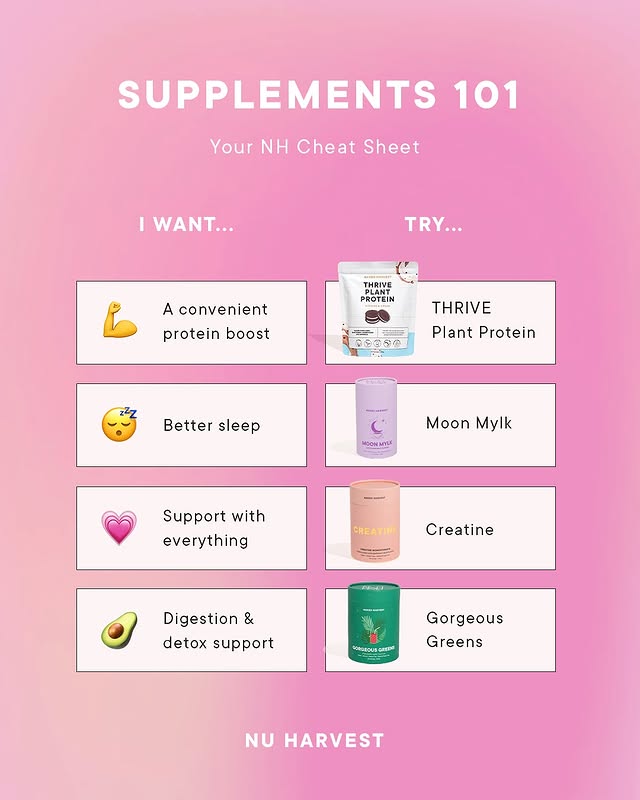
An easy and clear comparison chart that lines out the product aligned to the desired transformation.
Why this works: When you guide the decision, even if it means some people realise you're not right for them, you build enormous trust. "Here's who this is for, here's who it's not for, here's how to decide" converts infinitely better than "Everyone needs this!" You become an advisor, not a salesperson, and that's when people buy.
Mixing Your Bottom of Funnel Lenses
Selling something new or unfamiliar? Lean further on Process Reveal Stories and Purchase Journey Guides. People need to understand what they're buying and how to evaluate if it's right.
Selling something with high perceived risk (i.e cost)? Focus on Risk Reversal and Transformation Journey Stories. They need proof that it works and confidence that they won't regret the investment.
In a competitive market? Double down on Social Proof, Momentum, and Transformation Journey Stories. Show why people are choosing you over alternatives and that you deliver results.
Watch where people drop off. Getting DMs asking how it works? You need more Process Reveal content. People are hesitating about whether it's right for them? Create more Purchase Journey Guide content. The content your audience asks for is the content they need.
Your Bottom of Funnel Action Plan
Audit your last month of content:
What percentage was actually at the bottom of funnel? Most brands sit under 10% when they should be at 20%.
Are you making it easy for people to take action? Or are you assuming they'll figure it out themselves?
Which lens do your competitors do really well? That's probably one to consider for your content too.
Be clear about the outcome. Be specific about the path. Make the next step obvious. Your content should guide ready buyers to take action, not leave them guessing what to do next.
Wrapping The Series
Over the past four weeks, we've covered the complete content funnel:
Top of funnel stops the scroll and captures attention through discovery.
Middle of funnel builds trust and establishes authority.
Bottom of funnel converts that trust into revenue.
You know the strategy now. The challenge isn't knowing what to do, it's executing consistently without your content turning into generic noise.
Time to get creative!